


SUV shopping in Gonzales is driven by comparison. Most buyers are not looking at just one vehicle. They are evaluating multiple options at the same time, trying to understand how differences in space, safety, and technology will impact their daily driving experience.
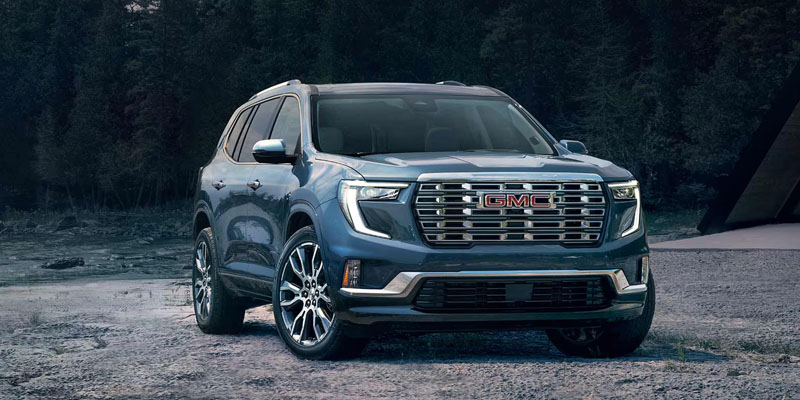
The challenge is not a lack of information. It is understanding how that information applies to real life. Measurements, feature lists, and safety ratings all provide value, but they do not always explain how an SUV will function once it becomes part of a routine.
When these factors are evaluated through the lens of everyday use, the decision becomes more clear and more confident.
How Interior Space Functions in Real Life
Interior space is one of the first things SUV shoppers compare, but raw numbers only tell part of the story. Legroom, headroom, and overall dimensions matter, but how that space is arranged has a greater impact on comfort.
Seat positioning plays a key role in how spacious an SUV feels. The angle of the seatback, the height of the seating position, and the distance between rows all contribute to passenger comfort. Two SUVs with similar interior measurements can feel very different depending on how that space is designed.
Read the rest of this entry »Truck shopping in Gonzales is rarely a single-decision process. Most buyers move through a comparison phase where capability, pricing, and dealership experience all compete for priority. The challenge is not finding options. It is understanding how those options translate into real-world ownership.
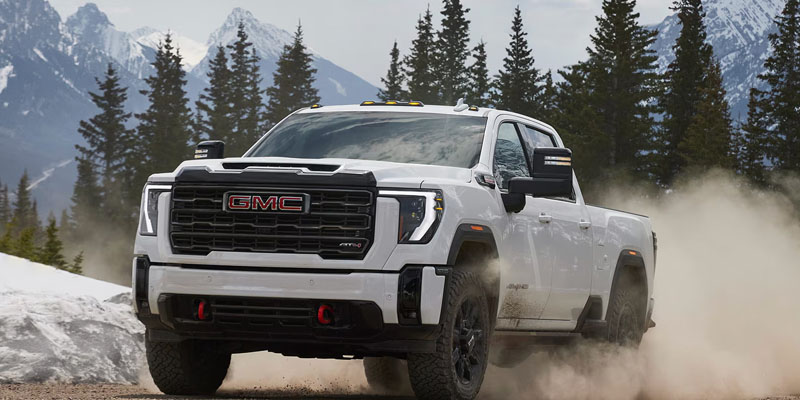
This is where many shoppers get stuck. Specs are easy to compare. Outcomes are not. A truck that looks strong on paper may not align with how it will actually be used day to day. A lower price may not represent better value once long-term costs and dealer support are considered.
Understanding how to evaluate each of these areas together is what leads to a confident purchase decision.
How Capability Translates to Real-World Use
Capability is often the first filter in truck shopping, but it is also the most misunderstood. Numbers like towing capacity and payload are important, but they only matter when they align with how the truck will actually be used.
Towing capacity reflects how much weight a truck can pull behind it, but real-world towing depends on more than a single number. Trailer type, terrain, and frequency of use all impact how that capacity feels in practice. A buyer towing occasionally on flat roads has very different needs than someone hauling equipment daily.
Read the rest of this entry »Choosing between the GMC Terrain and GMC Acadia comes down to how size, seating, and capability translate into everyday use. Many shoppers comparing these SUVs are trying to understand what the difference between a compact SUV and a midsize SUV actually means when it comes to commuting, family needs, and long-term ownership. While both models reflect GMC’s focus on practical design and modern technology, the way each vehicle is engineered creates very different outcomes in how they handle daily driving, passenger space, cargo flexibility, and towing capability.
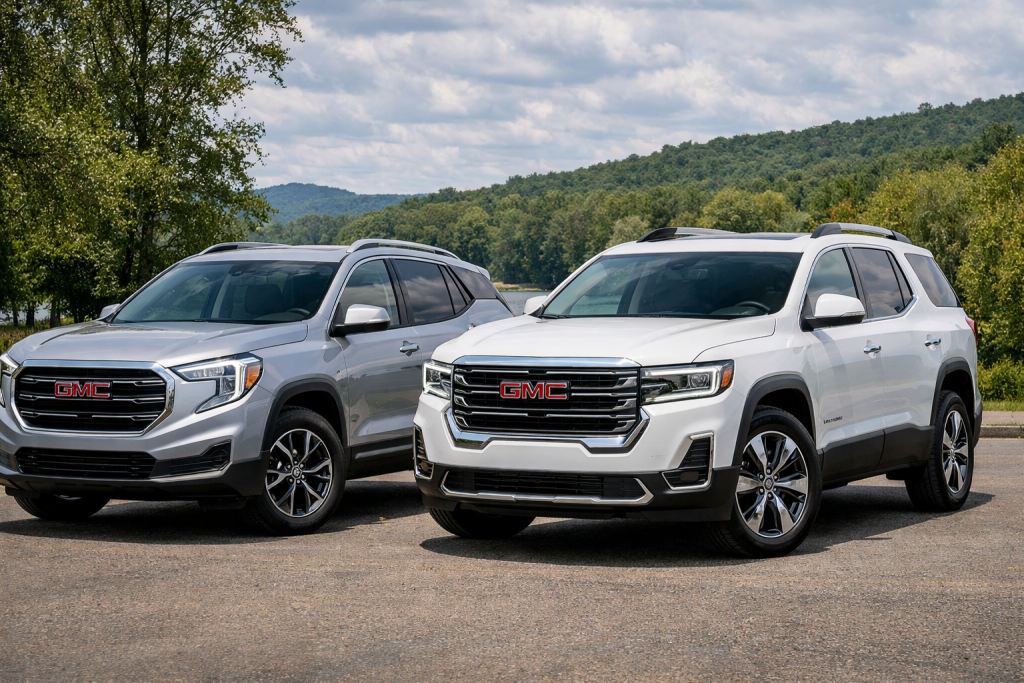
This guide breaks down how the GMC Terrain and GMC Acadia differ by explaining how their structure and intended purpose affect real-world driving and ownership decisions.
Compact SUV vs Midsize SUV: What Changes in Real Driving
Many shoppers ask what the difference between the GMC Terrain and GMC Acadia actually means beyond size. A compact SUV is a smaller two-row vehicle designed for efficient daily driving and easier maneuverability, while a midsize SUV is a larger vehicle that prioritizes passenger capacity and expanded interior space, often with a third row.
The GMC Terrain compact SUV uses a shorter overall length and tighter wheelbase, which directly improves turning behavior and parking control. A shorter wheelbase reduces the distance between axles, allowing the GMC Terrain to rotate more easily during low-speed maneuvers such as navigating parking lots or making tight turns.
Read the rest of this entry »Choosing between the GMC Yukon and GMC Yukon XL comes down to how size translates into real-world use. Many shoppers comparing these full size SUVs are trying to understand what the added length of the GMC Yukon XL actually changes in terms of passenger space, cargo usability, and towing behavior. While both models share the same engines, technology, and overall design, differences in wheelbase and overall length directly affect how each vehicle performs on the road and how it supports everyday driving.
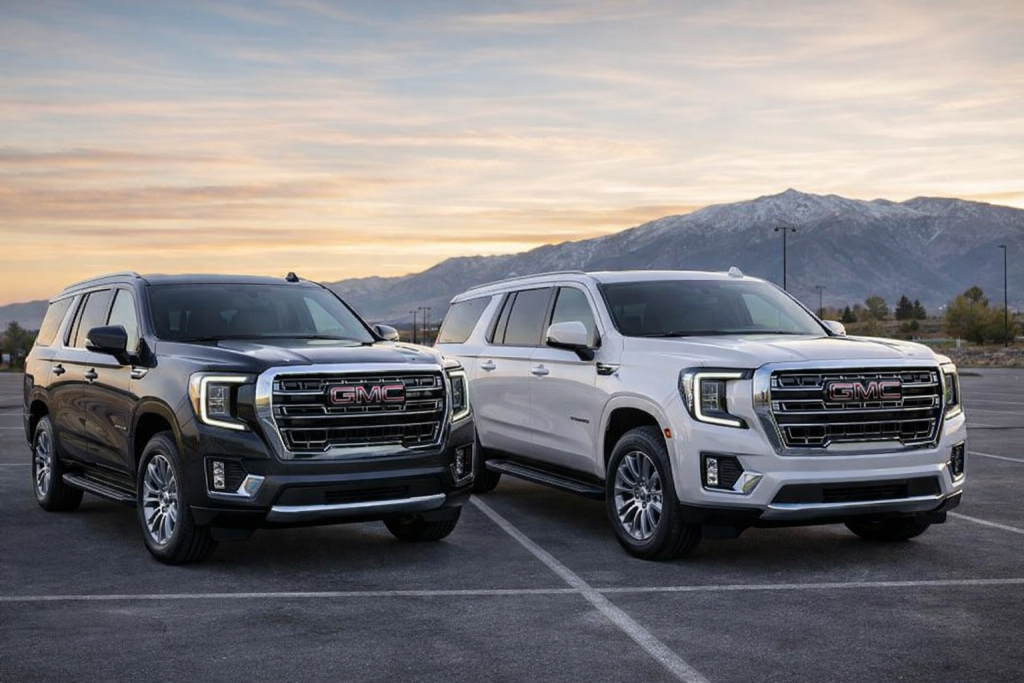
This guide breaks down how the GMC Yukon and GMC Yukon XL differ by explaining how their underlying structure influences comfort, storage, and capability.
Wheelbase and Size Differences Explained
Many shoppers ask what the difference between the GMC Yukon and GMC Yukon XL actually means in real-world driving. The key difference is wheelbase, which is the distance between the front and rear axles.
The GMC Yukon uses a shorter wheelbase, while the GMC Yukon XL extends that distance to create a longer overall frame. This change affects both ride quality and how interior space is distributed.
Read the rest of this entry »When Gonzales drivers begin comparing GMC SUVs, the decision usually starts with size. But space alone is not enough. Buyers evaluate three measurable categories: passenger capacity and cargo volume, safety system integration, and overall pricing tier relative to long-term ownership needs.
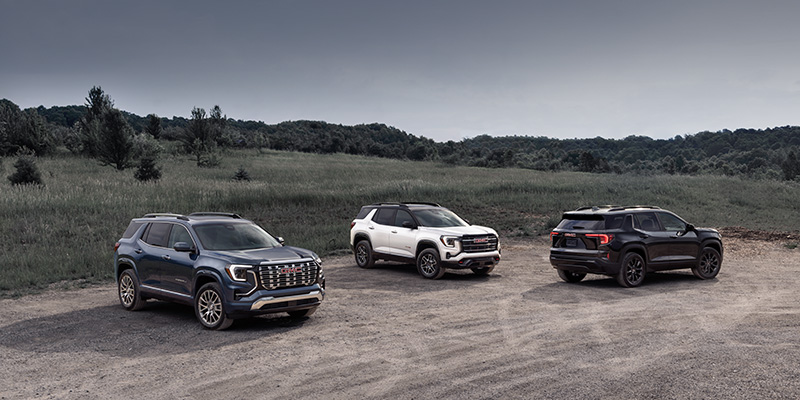
The GMC SUV lineup spans compact to full-size. Understanding the structural differences between the GMC Terrain, GMC Acadia, and GMC Yukon helps align the vehicle with daily use rather than simply choosing the largest option available.
Compact vs Midsize vs Full-Size: What That Actually Means
Compact SUVs such as the Terrain are engineered for efficiency, maneuverability, and daily commuting practicality. Wheelbase length and overall body width are optimized for urban driving.
Midsize SUVs like the Acadia introduce third-row seating while maintaining moderate exterior dimensions.
Full-size SUVs such as the Yukon ride on truck-based architectures with body-on-frame construction. They provide maximum towing and interior volume but require more parking and maneuvering space.
Choosing the correct category determines how comfortable the SUV feels in everyday traffic and long-distance travel.
Read the rest of this entry »What Gonzales Drivers Compare When Shopping for GMC Sierra 2500HD and GMC Sierra 3500HD
When Gonzales drivers shop for a GMC heavy-duty truck, the conversation centers on capability, not appearance. The decision usually comes down to three technical factors: 2500HD versus 3500HD, gas versus diesel, and single rear wheel versus dual rear wheel.
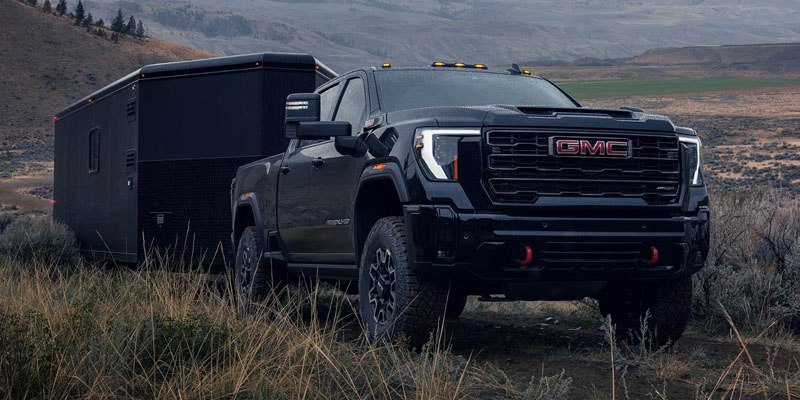
Heavy-duty trucks are engineered around frame strength, axle ratings, drivetrain durability, and cooling capacity. Understanding how those systems differ ensures you choose the right platform for your workload rather than simply stepping into the largest badge.
2500HD vs 3500HD: Structural and Capacity Differences
Both the Sierra 2500HD and 3500HD share core heavy-duty architecture. They use reinforced boxed frames, heavy-duty rear axles, and commercial-grade suspension components. The difference lies in capacity thresholds.
Sierra 2500HD:
Read the rest of this entry »The 2026 GMC Acadia represents a structural shift for GMC’s midsize SUV lineup. It is larger, more powerful, and more technology-focused than the prior generation. For families evaluating space, seating flexibility, and daily functionality, the redesign is not cosmetic. It is architectural.
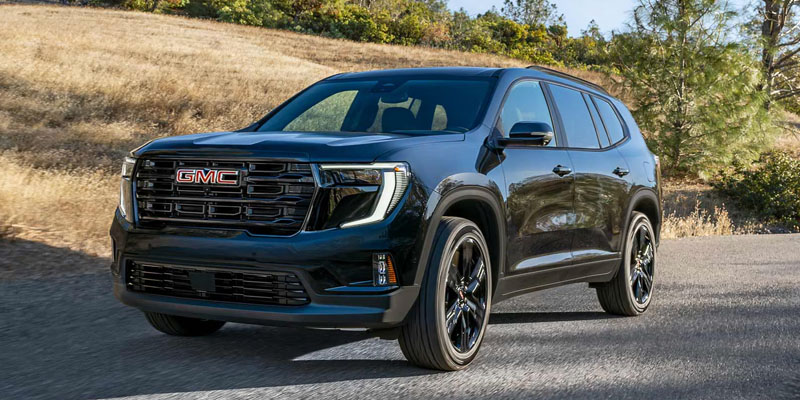
This breakdown explains how the new platform, interior layout, and technology systems affect real-world family use.
Platform Growth and Dimensional Changes
The 2026 Acadia rides on an expanded platform compared to its predecessor. The wheelbase has increased, overall length has grown, and interior packaging has been reconfigured.
What that means in practical terms:
Read the rest of this entry »Choosing between the GMC Canyon and Sierra 1500 is not about which truck is better. It is about scale, platform strength, and how often you truly use full-size capability. Both are engineered for real work. The difference is how much truck you need every day.
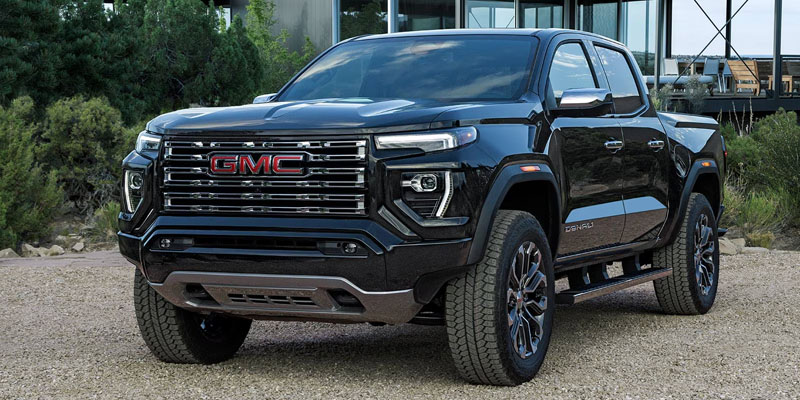
This comparison focuses on frame architecture, engine output, towing ratings, payload capacity, and daily usability so you can match the truck to your actual workload.
Platform and Frame Differences
The Canyon is a midsize truck built on a smaller frame architecture. It offers a narrower body, shorter overall length, and lighter curb weight. That translates to easier maneuverability and lower overall operating mass.
The Sierra 1500 is a full-size truck built on a larger, stronger frame. It provides wider track width, longer wheelbase options, and greater structural capacity for towing and hauling heavier loads.
Key structural differences:
Read the rest of this entry »When families in Gonzales begin researching GMC SUVs, the process is rarely driven by styling or performance alone. Most buyers focus on how an SUV supports daily routines, protects passengers, and adapts as family needs change. Space, safety systems, and long term value tend to guide decisions more than any single specification.
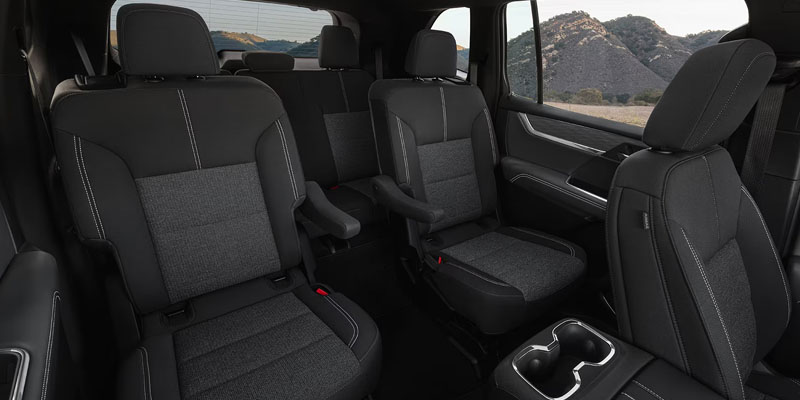
Understanding how families evaluate these factors helps clarify which GMC SUV fits their household and why certain features matter in real world use.
Interior Space and Seating Usability
Interior space is one of the first factors families evaluate, but square footage alone does not tell the full story. Families look closely at how seating is configured, how easily passengers can enter and exit, and how the cabin supports child seats and growing passengers.
GMC SUVs are designed with practical interior layouts that balance passenger comfort and cargo needs. Rear seat spacing, door opening angles, and seat height all influence how manageable daily use feels, especially during school drop offs, grocery runs, or long trips.
Families often assess:
Read the rest of this entry »When Gonzales drivers shop for GMC truck deals, the comparison process goes far beyond advertised pricing. Most buyers evaluate how a truck fits their work demands, daily driving needs, and long term ownership expectations before deciding whether a deal actually makes sense. Understanding what experienced truck shoppers compare helps clarify why two trucks with similar prices can represent very different values.
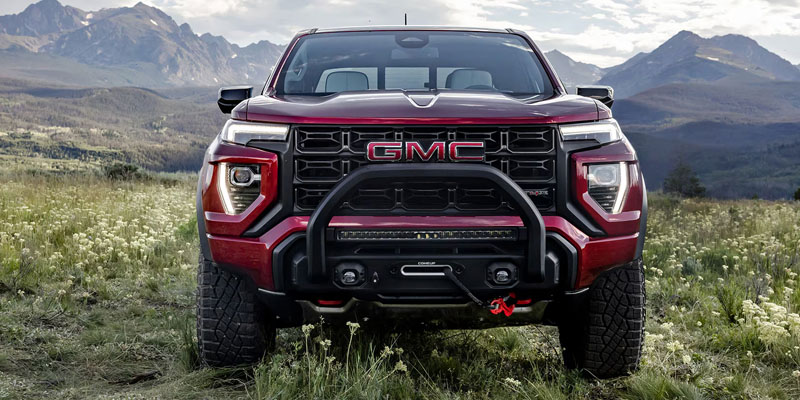
This breakdown explains how local buyers typically evaluate GMC truck deals, focusing on equipment, ownership costs, and real world usability rather than surface level discounts.
Price Versus Equipment Value
One of the first comparisons shoppers make is not price alone, but what that price includes. Two GMC trucks can appear similarly priced while offering very different levels of capability and comfort depending on trim, drivetrain, and installed equipment.
Buyers often look closely at:
Read the rest of this entry »Connect with us


